 Diaspora
The Return Is Not a Vacation: Planning a Diaspora Homecoming
The elders to sit with, the graves to find, the house that got smaller — a diaspora homecoming carries emotional cargo no ordinary holiday does.
LuxTuris Editorial Desk · May 7, 2026
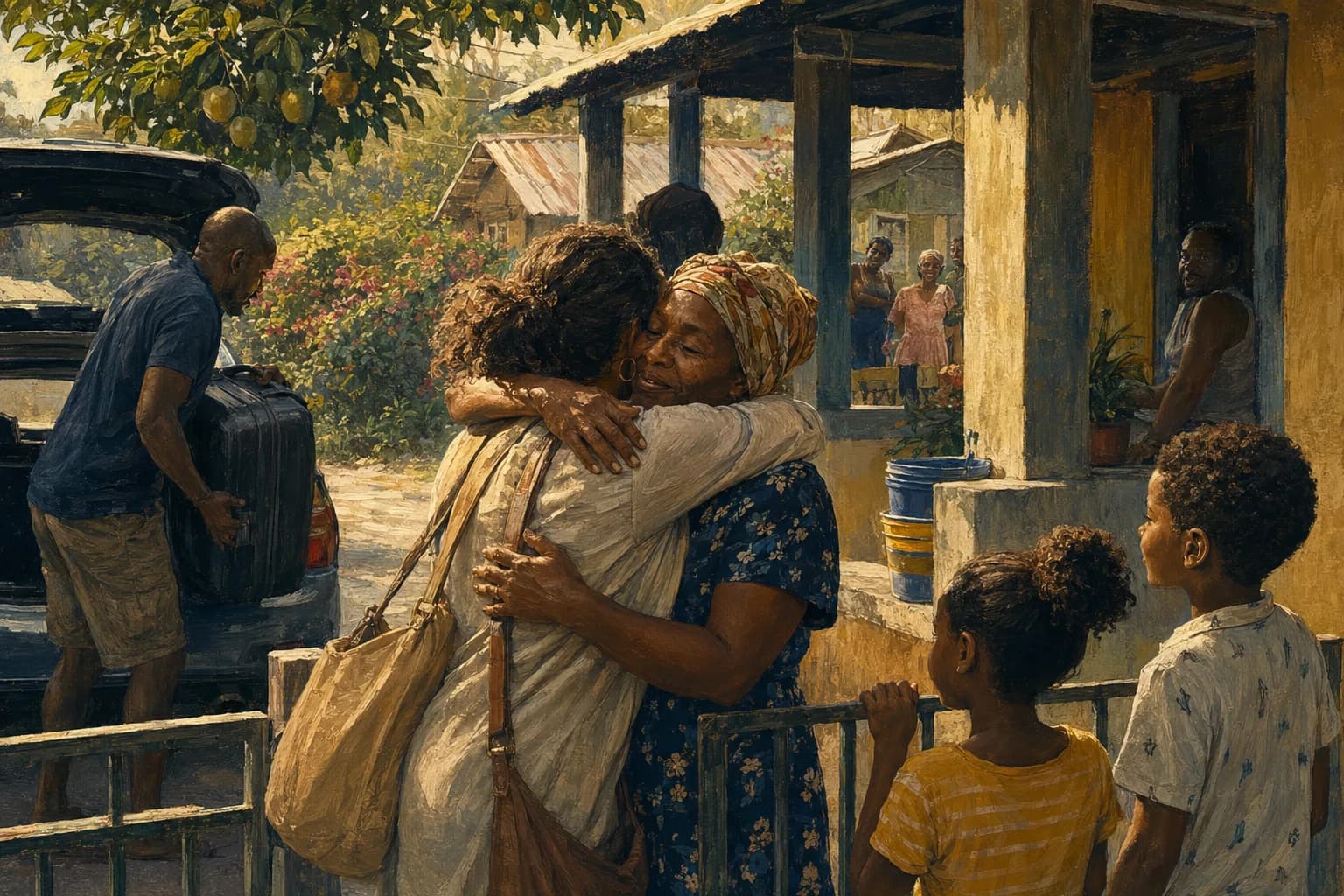
The arrivals hall at the airport is loud with reunions, and one of them is yours. Imagine that the woman scanning the crowd from behind the barrier is Aunt Norma, a composite rather than a reported individual — you know this with certainty despite having never once stood in the same room as her, because you have known her voice your whole life: the Sunday calls on speakerphone, the prayers shouted down a bad line at Christmas, the laugh. She knows you the same way, and when she finds your face there is a moment — half a second, both of you — of reconciling the person with the voice. Then you are in her arms, and she smells like the talcum powder your mother uses, and she is crying and calling you by a pet name you didn't know you had, and the trip has begun before the bags are even loaded into her neighbor's car for the drive up to the district.
That drive — dark hills, unfamiliar and somehow not, your mother in the front seat slipping into a deeper accent with every mile — is not the start of a vacation. It is the start of a return, and a return carries emotional cargo that no ordinary holiday does. Planning one as if it were a beach trip with relatives attached is the mistake almost every diaspora family makes once. Here is how to plan it as what it is.
The emotional itinerary is the real itinerary
Write it down alongside the flights, because these are not detours from the trip — they are its purpose. The elders to sit with: the grandmother who is the reason the trip finally happened, the great-uncle who is the last one who remembers the stories, the aunt who raised your father — and sitting with them means hours, unhurried, on verandas, not a drive-by visit between excursions. Bring the photographs from foreign; they are the best conversation technology ever invented. The graves to find: this sounds morbid to people who haven't done it and sacred to everyone who has. The family plot in the churchyard, the grandfather's headstone your mother hasn't seen since the funeral she flew back for — locating them, cleaning them, standing there as a family is one of the deepest things a return trip does. Ask the elders where everyone is buried before the trip; that knowledge is perishable. The house that got smaller: the family land, the house your parent grew up in — now occupied by a cousin, or falling down, or sold, and in every case physically smaller than the version that lived in the stories. Go anyway. Watching a parent stand in front of that house is watching them introduce their childhood to their children. The introductions: for the kids, meeting the cousins their age; for the parent, the quiet triumph of presenting their children at home. Schedule real time for the children to just play with their cousins — that bond, not any excursion, is what makes them want to come back.
The logistics that are genuinely different
Where you stay is politics. Staying with family honors the relationship and surrenders your schedule; staying in a guesthouse preserves your sanity and can wound feelings if handled clumsily. The veteran compromise: split it — some nights in the family home (usually the first ones), some in nearby lodging, framed early and warmly ("we don't want to crowd you the whole time"). Whatever you choose, choose it explicitly before arrival; the worst version is the one negotiated in the driveway.
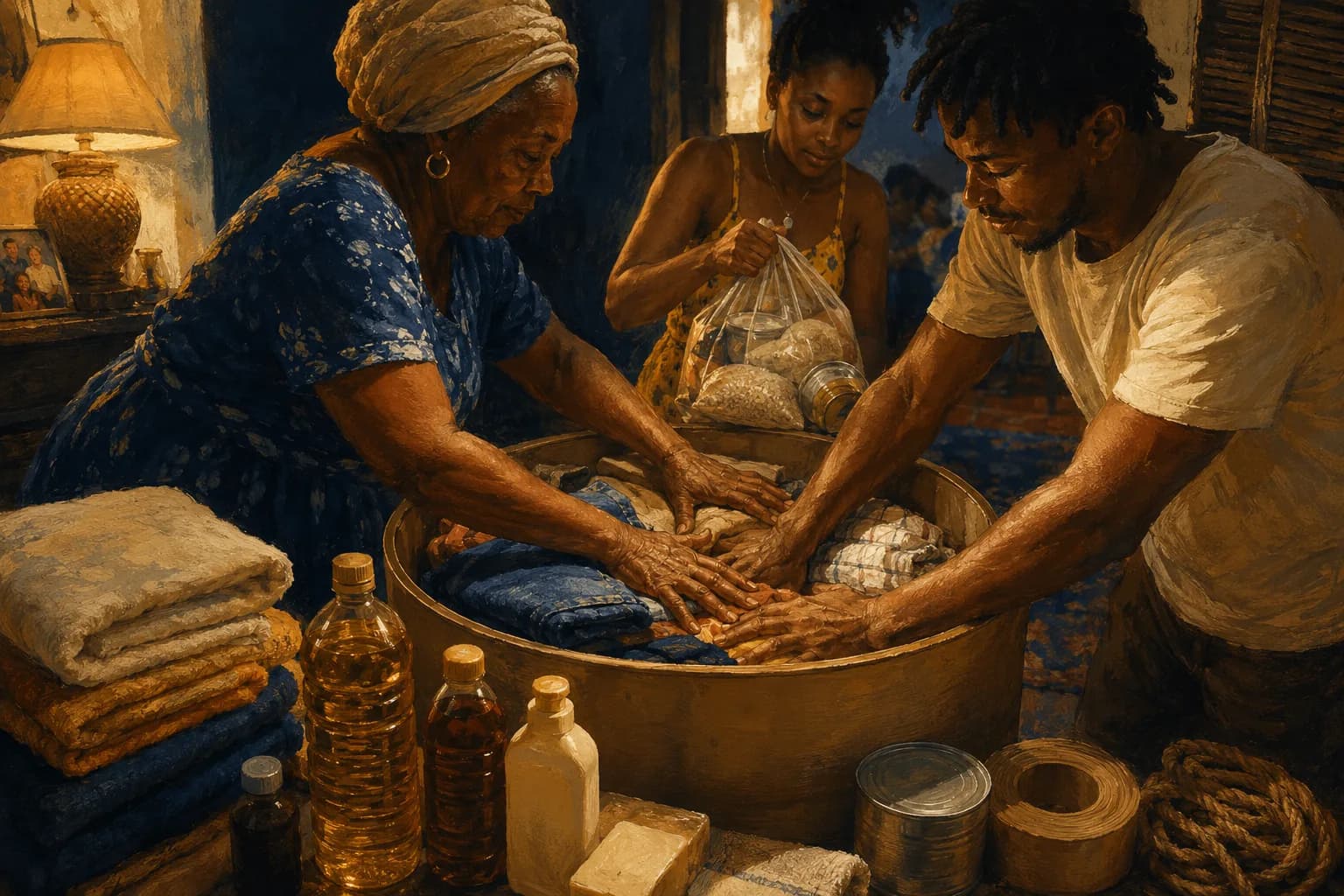
Budget for the giving, honestly. A return trip runs a parallel economy no travel site prices: the barrels or extra suitcases packed for weeks before departure with the requested items — clothes, phones, medications, school supplies, the specific brand of something an aunt asked for in March; the cash gifts to elders, pressed into hands at goodbye; the grocery runs and utility top-ups for the households hosting you; the contributions toward the church, the funeral fund, the cousin's school fees. Expectations differ sharply among families. Gifts, household contributions and financial requests should be discussed honestly rather than treated as automatic obligations or reasons for resentment — it is the physical form of the remittance relationship that has always connected foreign to home — but all of it belongs in the budget as a real line, often hundreds or thousands of dollars, or it will ambush the trip's finances and sour its mood.
Transport and geography: family districts are rarely on the tourist grid. Budget for a hired driver or a rental, real travel times on rural roads, and the certainty that the itinerary will be rearranged by relatives with opinions about the order in which people must be visited. Build slack. The schedule is a suggestion the family will amend.
Managing the gap
Now the delicate part. The island in the family's stories is thirty years old; the island outside the car window is today's. Prices have risen shockingly ("when I was a boy this cost—" begins many sentences on this trip). The village has emptied or built up. Some relatives are warmer in person than on the phone; a few are cooler; one or two see the foreign family primarily through the lens of what foreign means. Meanwhile the returning parent is managing their own turbulence — grief for the changed place, guilt about the years away, the strange demotion of being a visitor in their own birthplace — and the kids are navigating being simultaneously family and foreigners: claimed completely ("you don't know your own cousin?") and teased gently for their accents, their bug-spray, their phone habits.
Prepare the children beforehand and the whole thing lands softer: teach them the parish and district names, the family tree in outline, who is who and how they connect, the etiquette basics — greet every adult, accept the food, sit with the elders even when the conversation is long. A child who arrives knowing the names is family arriving; a child who doesn't is an audience. And release everyone, including yourself, from the expectation that one trip will resolve identity. It won't. It isn't supposed to. It is one stitch in a long seam.
The practical spine
How long: ten days to two weeks is the honest minimum — a week disappears into arrival, adjustment and the first round of visits, and the trip's best moments live in the unhurried second week. Timing: many returns are triggered by the calendar's heavy events — a funeral, a wedding, a grandparent's milestone birthday, carnival — and there is wisdom in that; an event gives the trip a center of gravity and gathers the scattered family in one season. If choosing freely, summer aligns with school holidays and the islands' own homecoming rhythms. And go soon rather than perfect: the elders who are the reason for the trip are not on your five-year plan's schedule. Every diaspora family carries a story about the visit postponed one year too many. Do not add to that archive.
What the trip is actually for
Here is the destination underneath the destinations. Diaspora children grow up furnished with stories set on a stage they have never seen — a river, a school, a hill, a house, all of it as abstract as fiction. The return trip's real cargo, the thing it delivers that no other trip can, is the ground itself: the moment the stories acquire coordinates. This is the river your grandmother washed clothes in. This is the school your father walked to, and this is the distance, and now you know why he tells it that way. This is the veranda. This is the grave. This is where you are from — not as an idea inherited secondhand, but as a place your own feet have stood.
Aunt Norma's neighbor's car climbs the last hill. The house appears — smaller than the stories, exactly as promised. Everyone gets out. The trip has delivered its cargo: a family, standing on its own ground, putting a place under its stories at last.
Editorial note
LuxTuris original
This is evergreen editorial context from the LuxTuris desk, not live breaking news or invented social proof.