 Food
FoodThe Dish That Crossed Oceans: Ackee, Saltfish, and Jamaica
An African tree, an Arctic fish, and a New World pepper — Jamaica's national dish is a plate built from three continents and one hard-won rule about patience.
LuxTuris Editorial Desk · July 11, 2026
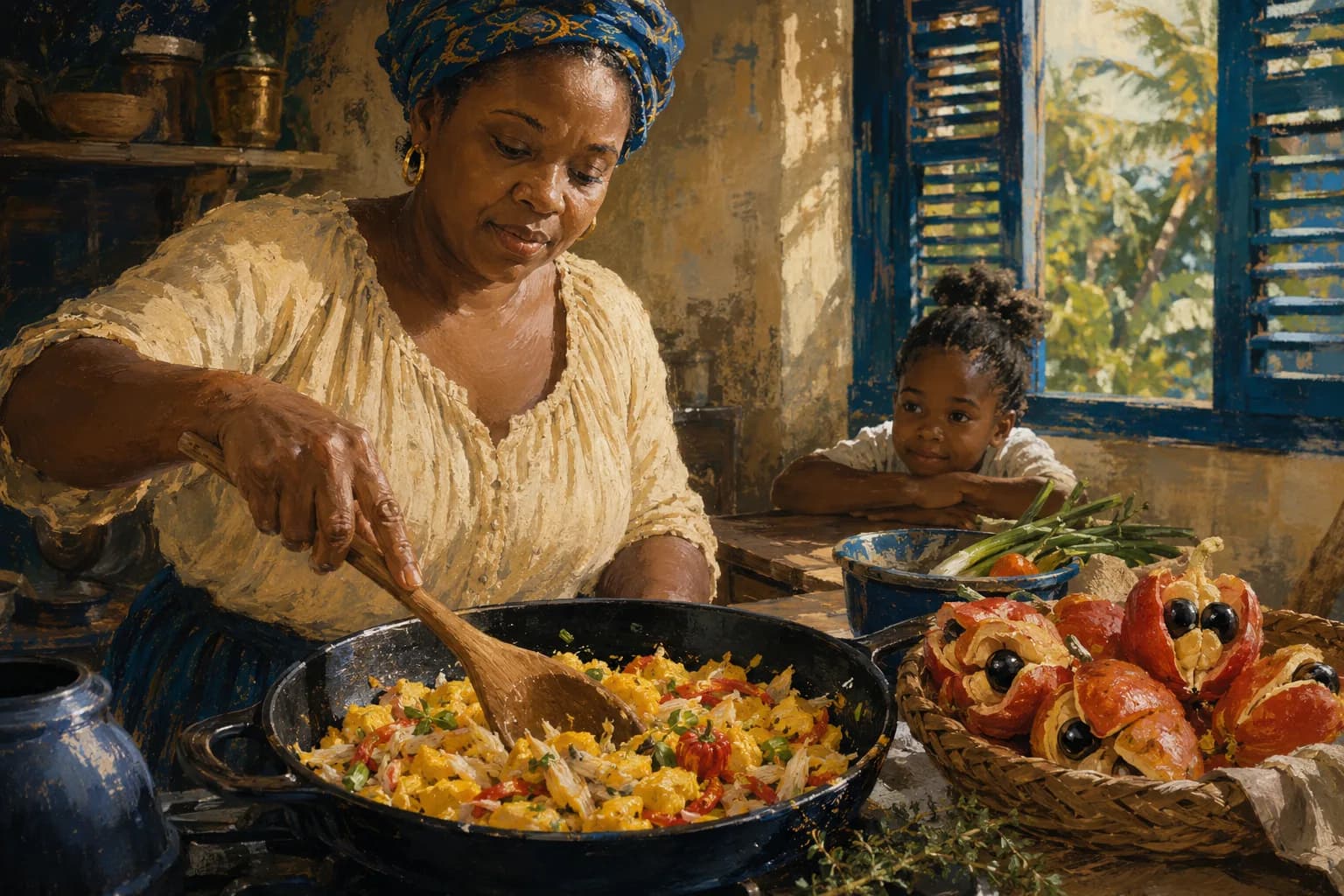
The pods must open naturally. That is the essential safety rule. In yards where ackee is harvested, unopened fruit remains on the tree, however ready it may appear. The red pods split to reveal yellow arils and glossy black seeds. Experienced cooks remove the seeds and red membrane carefully before cooking the arils.
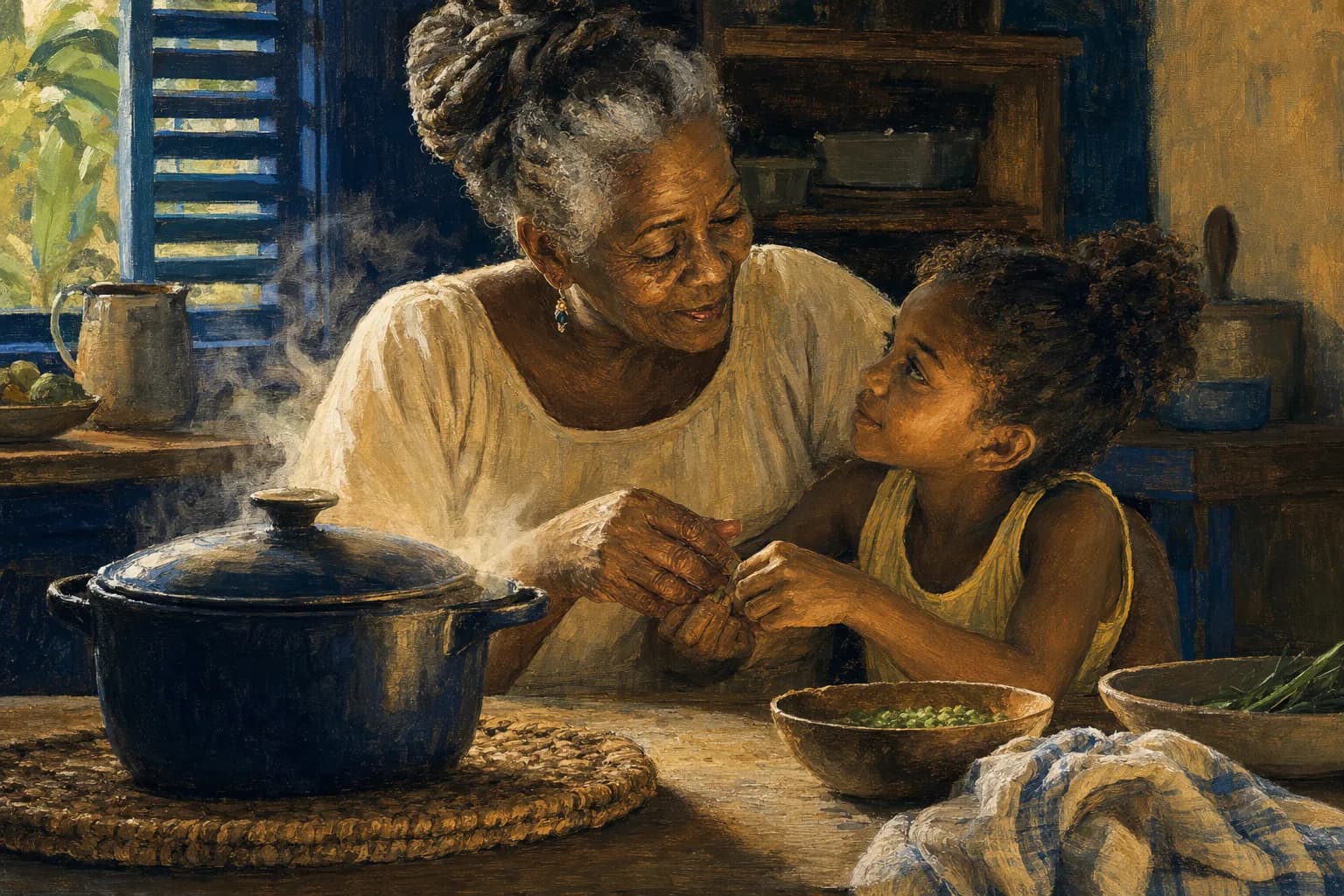
Inside, the saltfish has been soaking since the night before and now rattles in its pot. By the time the ackee has been cleaned, the seeds removed and the red membrane stripped away with a thumbnail, the kitchen smells of scallion and thyme hitting hot oil.
She folds in the boiled ackee at the very end. Two turns of the spoon, and it is done. Her granddaughter reaches for the pot spoon to stir and gets her hand slapped away.
You fold ackee. You never stir it.
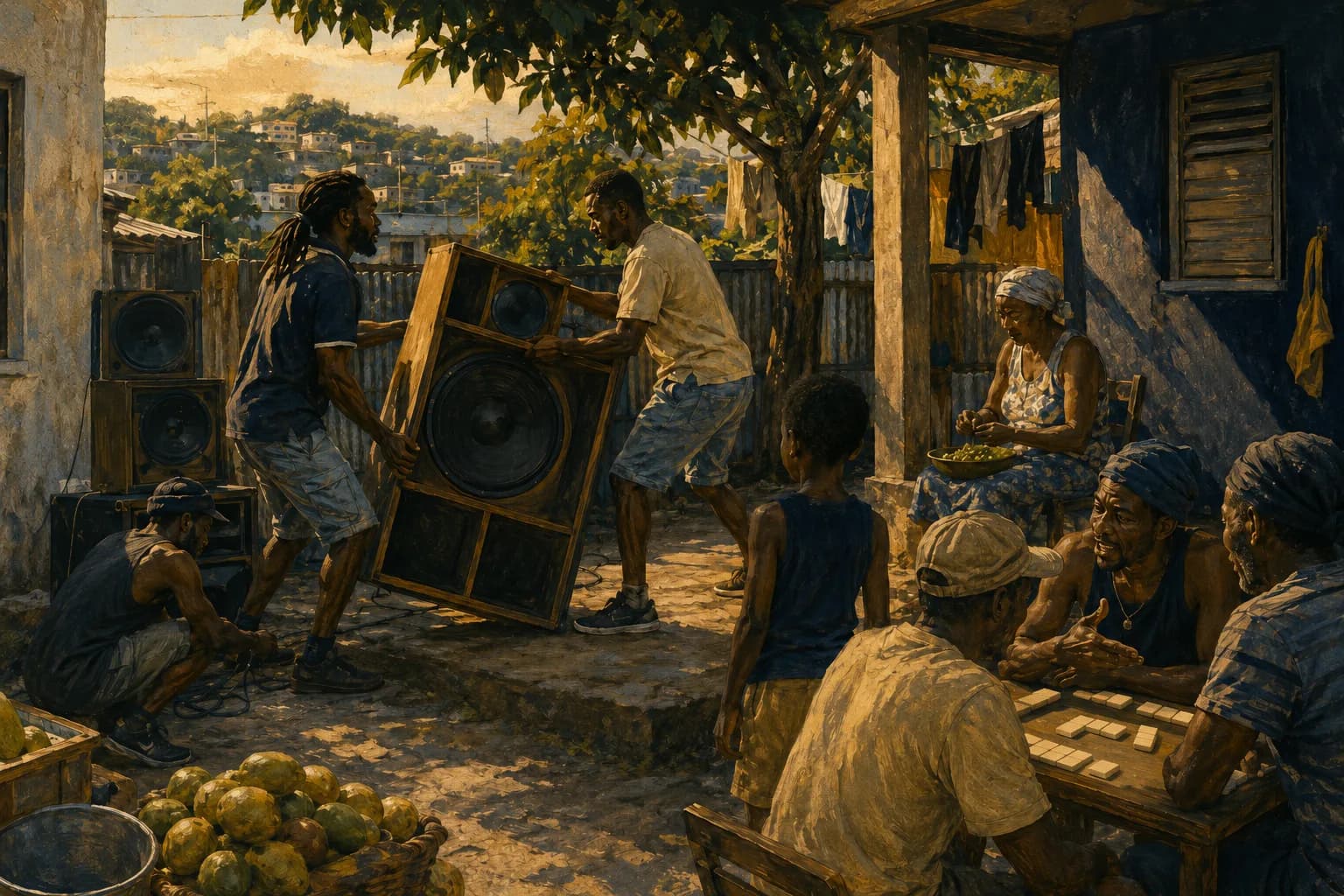
By seven, the plate is ready: ackee and saltfish glistening beside boiled green banana and fried dumpling. Half the lane has found a reason to pass by.
The dish looks simple, but it carries an ocean.
Ackee, Blighia sapida, is native to West Africa and was recorded in Jamaica by the late eighteenth century. The precise route by which it reached the island is not securely documented enough to reduce to a single shipboard story. It was later named for Captain Bligh, who took specimens to Kew in 1793 and had his name attached to a tree Africans had known for generations as akye.
The saltfish never saw the tropics until it was cured. Cod was pulled from the North Atlantic off Newfoundland and New England, salted heavily, and shipped south through the colonial provisioning trade. It was cheap, imperishable protein exchanged for sugar and rum and bought by planters to feed the people they enslaved.
The heat on the plate is the Americas' own contribution. Scotch bonnet descends from the capsicums Indigenous people domesticated in this hemisphere long before any ship arrived.
Jamaica's national dish is therefore an African tree, an Arctic fish, and an Indigenous pepper, assembled in Jamaica through colonial trade, African botanical inheritance and generations of local cooking. The exact moment when the pairing became established is not preserved in a single reliable record.
Jamaicans developed unusually extensive knowledge around harvesting, preparing and eating ackee, although the fruit is also known elsewhere in the Caribbean. Elsewhere in the Caribbean, the tree grows and is mostly left alone, its reputation for poison outrunning its promise.
The poison is real, and the craft begins there.
Unripe ackee contains hypoglycin, and eating fruit that has been forced open causes the illness Jamaicans learned generations ago to avoid through one iron rule: the fruit must smile on its own.
After that, the arguments begin, and they are conducted with theological seriousness.
The saltfish must be desalted but not stripped. It may be soaked overnight or boiled twice, but it is tasted at every stage. Fish with no salt left is just fish, and the point is the seasoning the cod carries with it.
The ackee is boiled separately and briefly. It goes into the pot last and is folded gently so the lobes remain whole. Cooks judge one another immediately on this because ackee stirred too hard collapses into something scrambled, and the texture is the dish.
Then come the schisms: tomato or no tomato; whether a piece of pig's tail belongs in the pot or ruins it; whether the true plate carries fried dumpling and festival or boiled food, meaning green banana, yellow yam, and dense boiled dumpling; and whether roast breadfruit outranks them all.
These arguments are less about victory than maintenance: each generation learns the dish by hearing what the previous one refuses to compromise.
Place the dish beside its cousins and Jamaica's choice comes into focus.
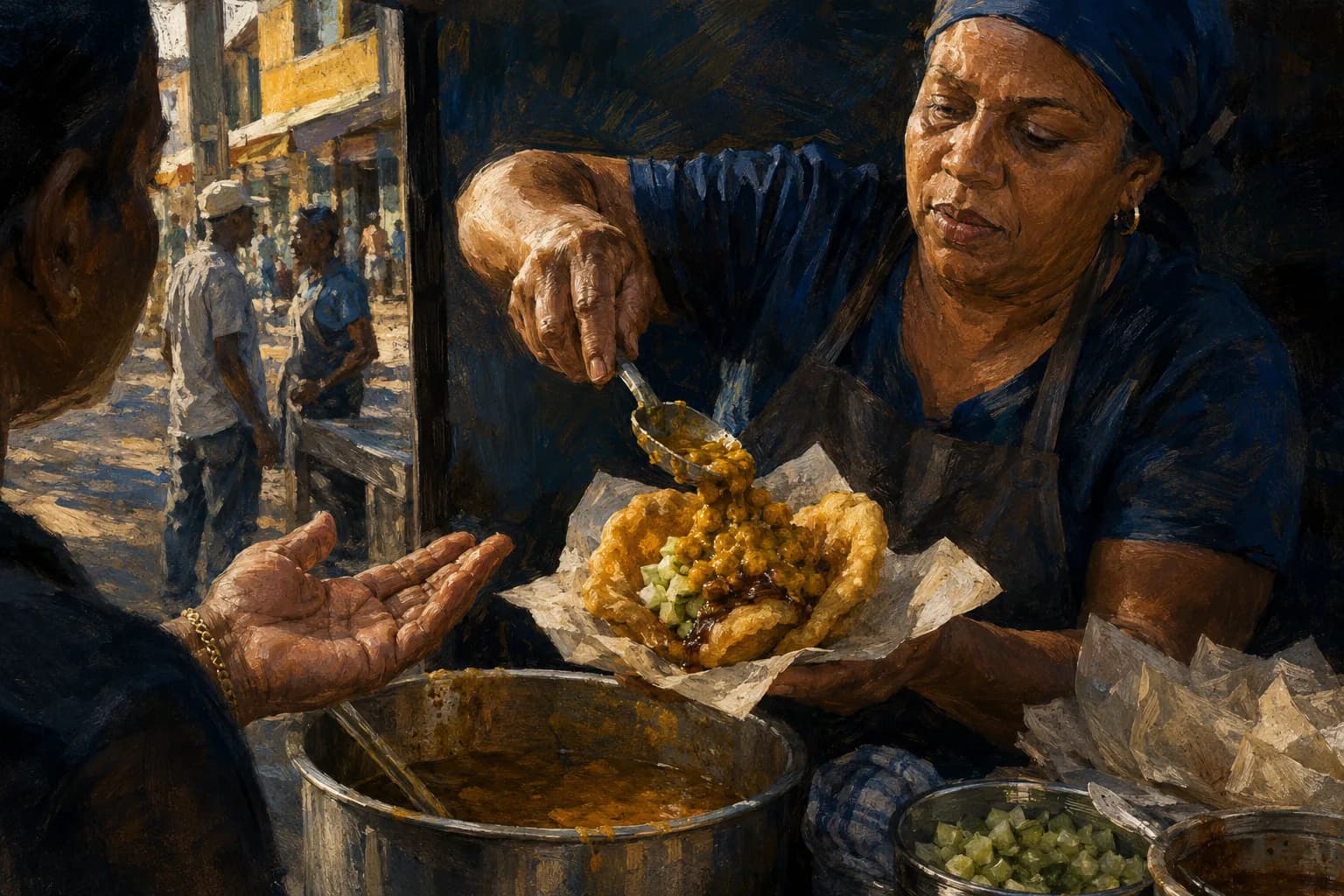
Salted cod circulated across the Caribbean, and different territories developed distinct preparations around it. Trinidad makes buljol, with saltfish picked fine and dressed almost raw with tomato, cucumber, oil, and pepper. It is a bright salad eaten with coconut bake, with no ackee anywhere near it because Trinidad never adopted the tree.
St. Lucia went in another direction and made green fig and saltfish its national dish, with the cod stewed down alongside green bananas in an all-starch embrace.
Saltfish is the constant. The partner is the confession.
Jamaica's pairing of saltfish with ackee created a dish whose preparation depends on knowledge, patience and trust.
In the diaspora, the dish survived on a technicality: the tin.
Fresh ackee does not travel, so canned ackee, shipped by Jamaican processors for decades, became the lifeline of every cold-country kitchen. It remained so even during the years when the United States banned imports outright over concerns about toxins, a ban that was not lifted until 2000.
In Brixton, where the Windrush generation settled, Saturday ackee and saltfish became the ritual that turned a rented room into a home. It still anchors menus at places such as Fish, Wings & Tings in Brixton Village, where the plate is served to second- and third-generation Londoners who have never picked a pod in their lives.
The tin changed the texture. Canned ackee is softer, and every diaspora cook has a method for babying it. Nothing else changed.
The scallion, thyme, Scotch bonnet, seeded or unseeded depending on the household's courage, and boiled banana on the side all crossed the water intact. The dish was never really about the ingredients. It was about Saturday morning meaning something.
Eat a benchmark version and you understand.
In Ocho Rios, Miss T's Kitchen serves ackee and saltfish that tastes like a yard breakfast wearing its church clothes: the lobes whole, the fish assertive, the escallion audible. In London, the Brixton Village plate does the same work at a different latitude.
The truest version, however, is always found in somebody's kitchen because this is the dish Jamaicans use to measure home.
It is what returning residents ask for on the way from the airport, what students abroad attempt in January with a tin and a prayer, and what appears at nine-nights and Boxing Day mornings alike.
An African tree that had to be trusted, a northern fish that had to be tamed, and a pepper that was here all along, folded together and never stirred by people who were given rations and returned to civilization.
The plate is yellow, like something hopeful.
It tastes like Saturday and like proof.
Editorial note
LuxTuris original
This is evergreen editorial context from the LuxTuris desk, not live breaking news or invented social proof.