 Travel
Castara at Human Scale: The Village Behind Tobago's View
A fishing village on Tobago's leeward coast that never let tourism outrun its own rhythm — and what it asks of visitors who want to actually see it.
LuxTuris Editorial Desk · July 5, 2026
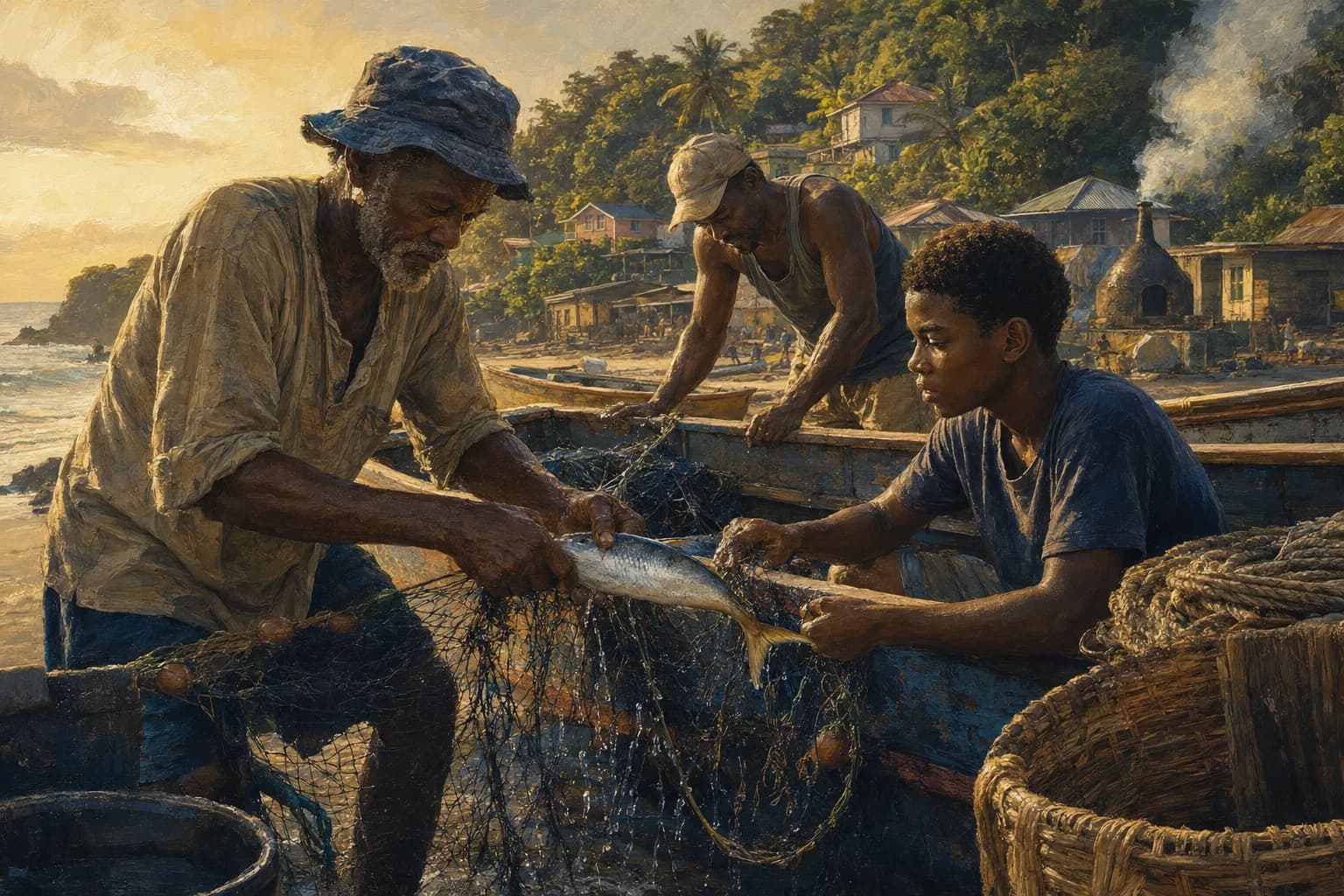
The boat noses into the bay just after the rain eases, its engine dropping to a murmur. Wooden pirogues rock at their moorings, their paint faded by salt and sun. A man on the sand hauls in a net hand over hand while his son steadies the bow. There is no music and no sound of vendors calling, only water slapping against the hulls and the low voices of fishermen sorting the morning's catch.
This is Castara, on Tobago's leeward coast, declaring itself without fanfare: a working village first, and a backdrop for visitors a distant second.
The village lives by the sea and the hill. Fishing remains its spine. Seine hauls begin at first light on Big Bay, the main beach, where the Fishing Cooperative sits and boats are still built and repaired by hand. Families farm small plots farther uphill, growing provisions for their kitchens.
The village serves its own: school runs, church on Sunday, and the evening lime at the corner shop, where the stories last longer than the rum. Tourism arrived decades ago but never swallowed the place. Guesthouses sit beside family homes, and the rhythm follows the tides rather than flight schedules.
For anyone in the diaspora returning and tracing a parent's path from Trinidad or farther away, the place works like a hinge. The dialect in the shop is familiar. So is the smell of bread on baking days. Castara only asks that you slow down long enough to notice who kept it all intact.
Getting there is half the recalibration.
You can fly into ANR Robinson International Airport, about twenty-five minutes from Trinidad, or take the inter-island ferry from Port of Spain to Scarborough. The crossing takes roughly three to three and a half hours and costs a fraction of the flight. Ferry fares and schedules change, so confirm both with the official operator before building the journey around them. The slow crossing also does something useful to your sense of time.
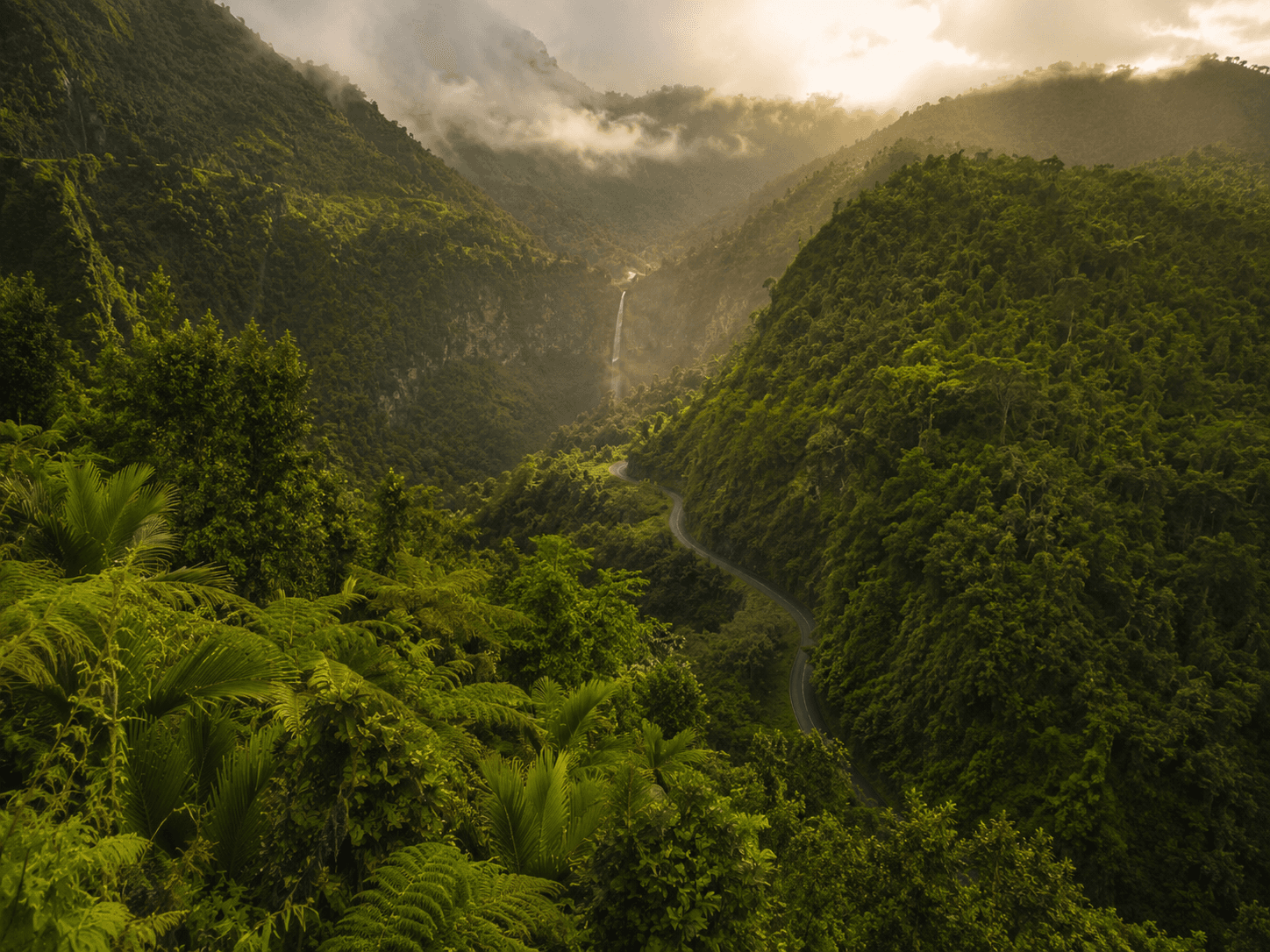
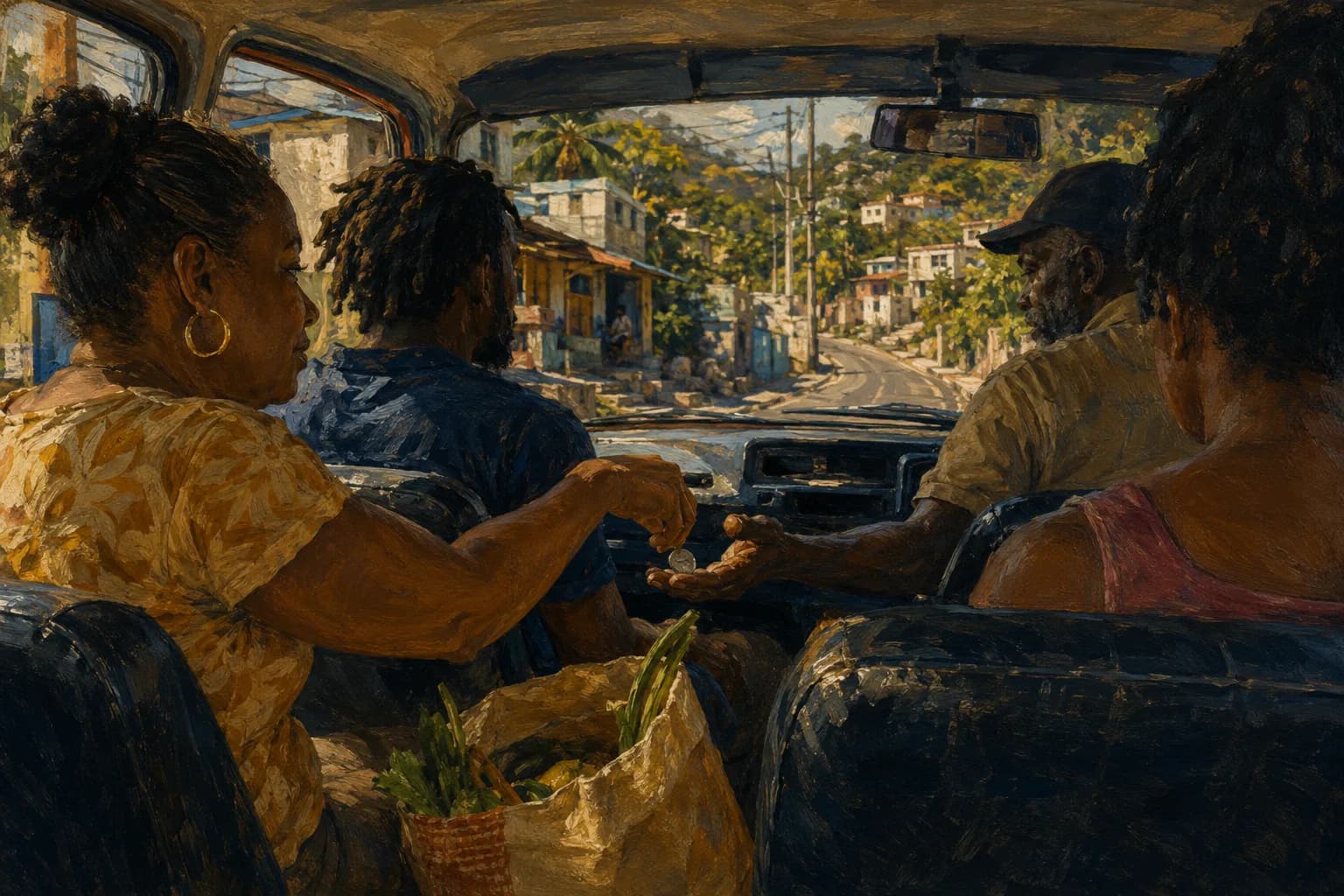
From Scarborough or the airport, rent a car or arrange a transfer. Driving the winding road across the island's spine takes about an hour and serves as an introduction of its own.
The dry season, from January to May, keeps the roads friendly. June through December brings heavier showers, fewer visitors, and lower rates. Costs remain modest throughout the year. Guesthouses and village restaurants may cost less than large resorts, but current rates should be confirmed directly.
Morning begins on the sand.
Walk Big Bay as the boats come in and snapper and kingfish are sorted beneath tarps. Linger respectfully, keep clear of the work and accept an invitation only if the crew offers one without prompting.
For swimming, cross over to Little Bay, the smaller curve that locals also call Heavenly Bay. The water is clear and calm close to shore, and the reefs farther out have names known mainly within the village.
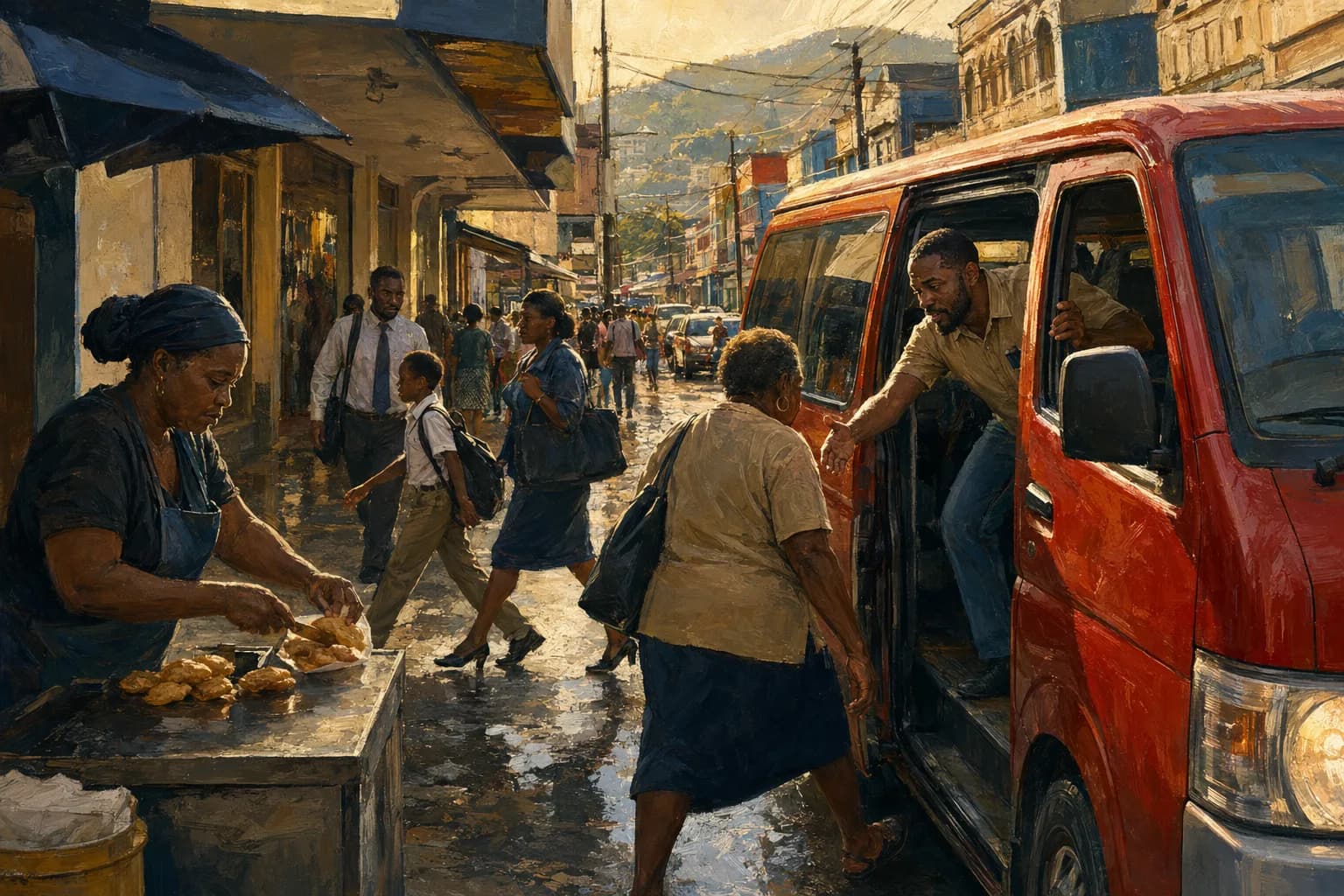
When smoke begins drifting from behind the school, follow it. That is the clay oven, where bread, buns, and tarts are pulled out hot on baking days for whoever joins the line: fishermen, schoolchildren, and returnees stocking up. The bread run doubles as a village census.
Head inland when the sun gets higher. The path to Castara Waterfall runs through the greenery behind the village. It is a walk of about twenty minutes, one locals make without ceremony when they want a cool dip. The rocks can be slick, and water depth and conditions can change. Do not jump without current local guidance.
There are no signs, fees, or vendors. This is what the place is for: daily refreshment, not photo opportunities.
Lunch means Marguerite's Local Cuisine near the school, perched above the small river that runs through the village. There is barely a menu. You ask Marguerite or her husband, Sherwin, what is cooking, and the answer depends on what came off the boat.
It may be curried crab and dumplings if you are lucky, goat with provisions, or shrimp cooked in coconut. They do not serve alcohol, so you bring your own. Everyone does, which says something about the trust the place operates on.
The tables fill with neighbours, and the conversation moves between cricket and whoever is building something nearby. Eat slowly. Tip well. The money stays in the yard.
The afternoon eases north along the coast.
Drive toward Englishman's Bay, a stretch of sand where fewer footprints interrupt the tide line and locals come for quiet or to check their traps.
By late afternoon, return to the village. The rhythm shifts again. Men mend nets on the sand. Women call children home. Then sunset draws people toward the water's edge, some carrying a beer from the shop and others simply watching the colour leave the sky.
Evening may mean a cook-up at your lodging or a quiet lime with soca and old calypso drifting from a speaker. Sleep comes early. The roosters claim the dawn.
One honest warning: nothing here moves on resort time. Arrange transfers in advance, carry cash, and accept that rain may rewrite the day's plans. The reward is waking to the same sounds your people once woke to.
For a diaspora traveller arriving with suitcases full of foreign years, Castara offers more than rest. It gives back context. A grandfather's fishing stories become vivid when you watch the same movements being made on the same sand.
The village asks you to notice the work behind the view: the families who remained, the knowledge passed down quietly, and the seine pull at first light that most visitors sleep through.
Spend accordingly.
Choose family-run businesses whenever possible: the guesthouses, Marguerite's, the man selling the morning's catch, and the boat tour operated from the pirogue you admired earlier.
Castara Retreats, the village's best-known lodging, is built around local staff and partnerships rather than imported management. The smaller guesthouses direct money even more immediately into village households.
Skip the imported trinkets. Buy the bread.
The village depends on circulation, not extraction.
By the time you leave, whether by ferry or a short flight back, the place has done its work. It has reminded you that the Caribbean is not scenery. It is people holding their pattern against tide and time, willing to share it with you for a while when you move with care.
Return, and it feels less like a vacation than checking in on family.
That is the route worth taking.
Editorial note
LuxTuris original
This is evergreen editorial context from the LuxTuris desk, not live breaking news or invented social proof.