 Music
MusicSame Region, Different Instructions: Reggae, Dancehall, and Soca
Reggae carries the message, dancehall runs the moment, soca moves the road — three related sounds a diaspora party can tell apart before it can name them.
LuxTuris Editorial Desk · May 26, 2026
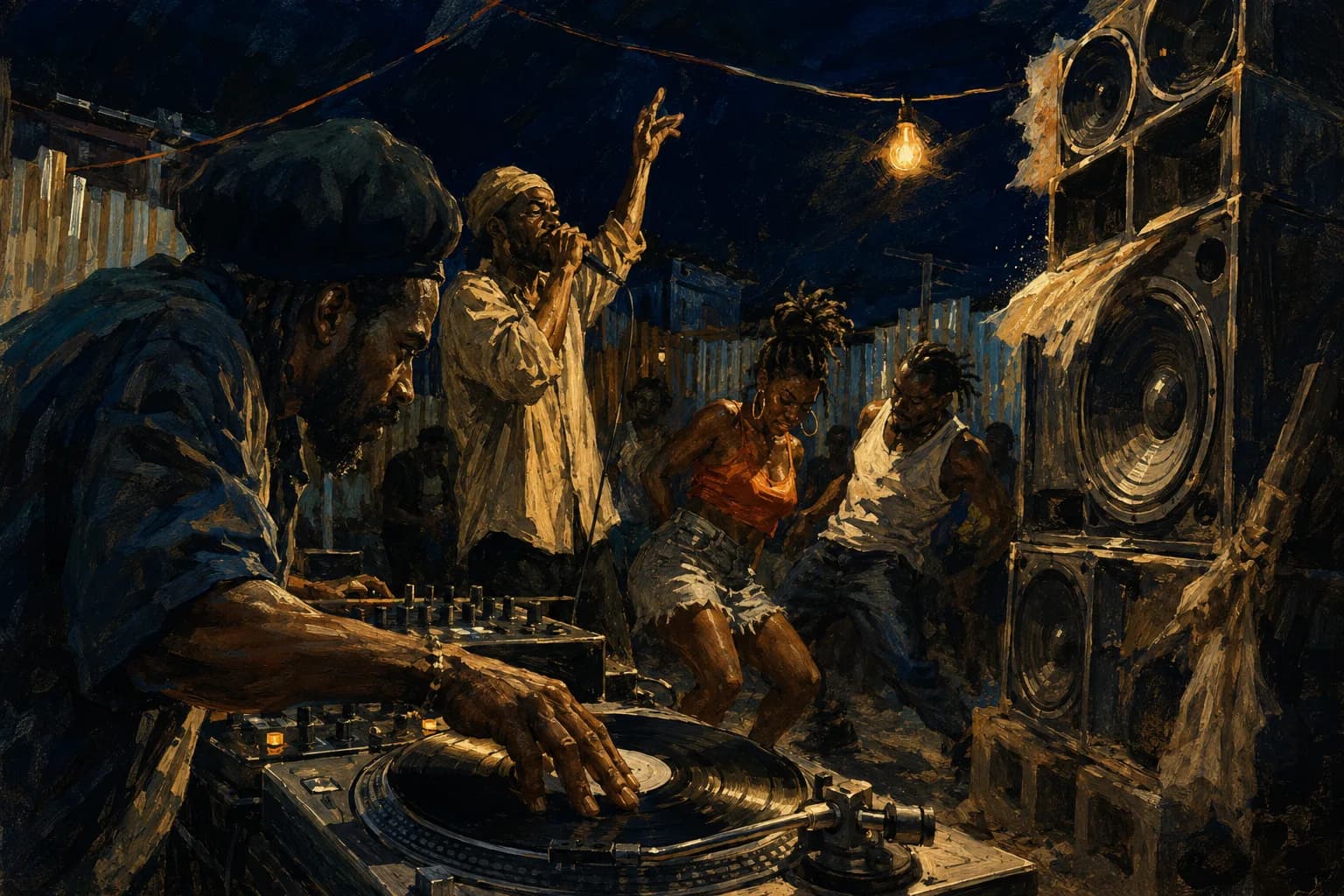
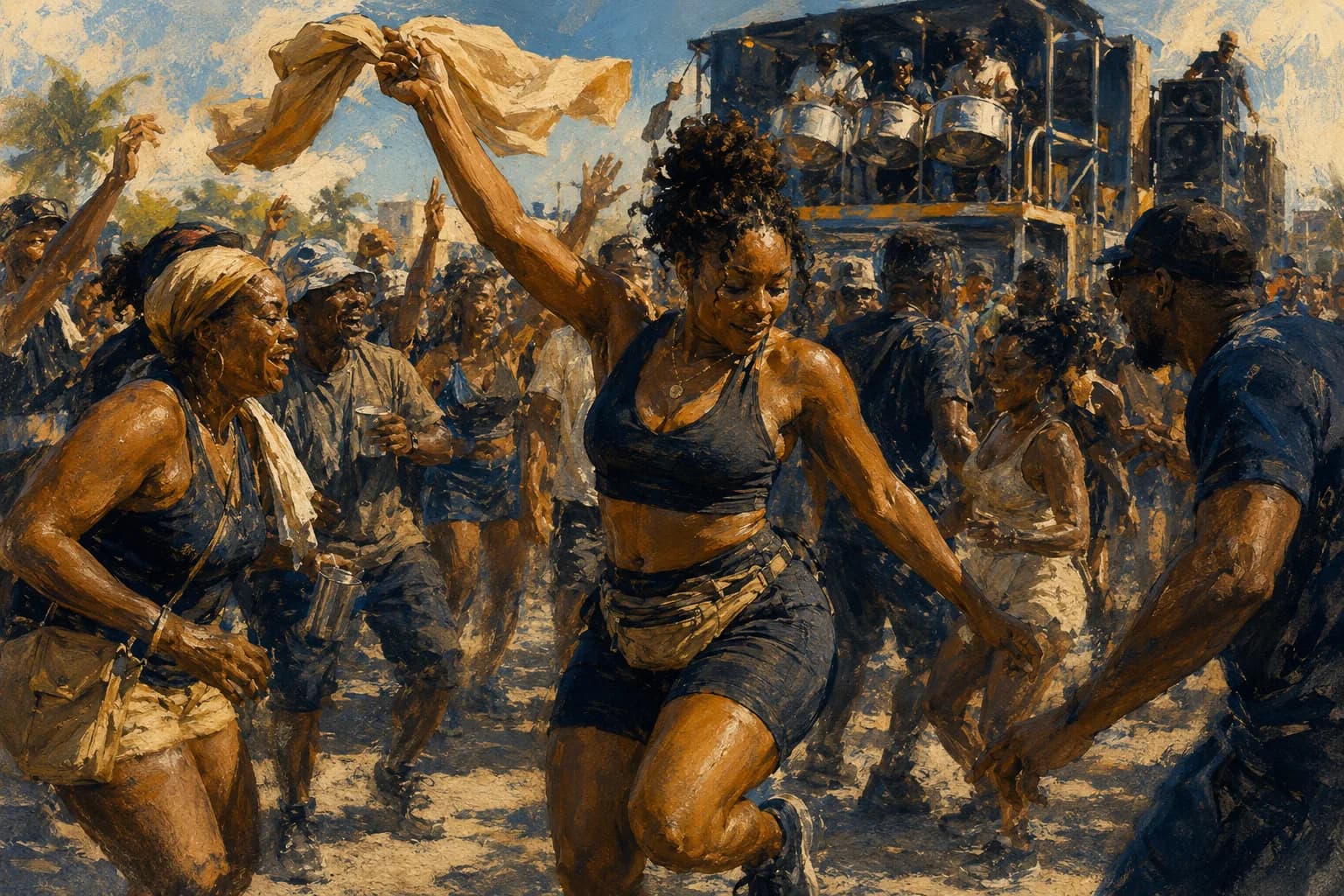
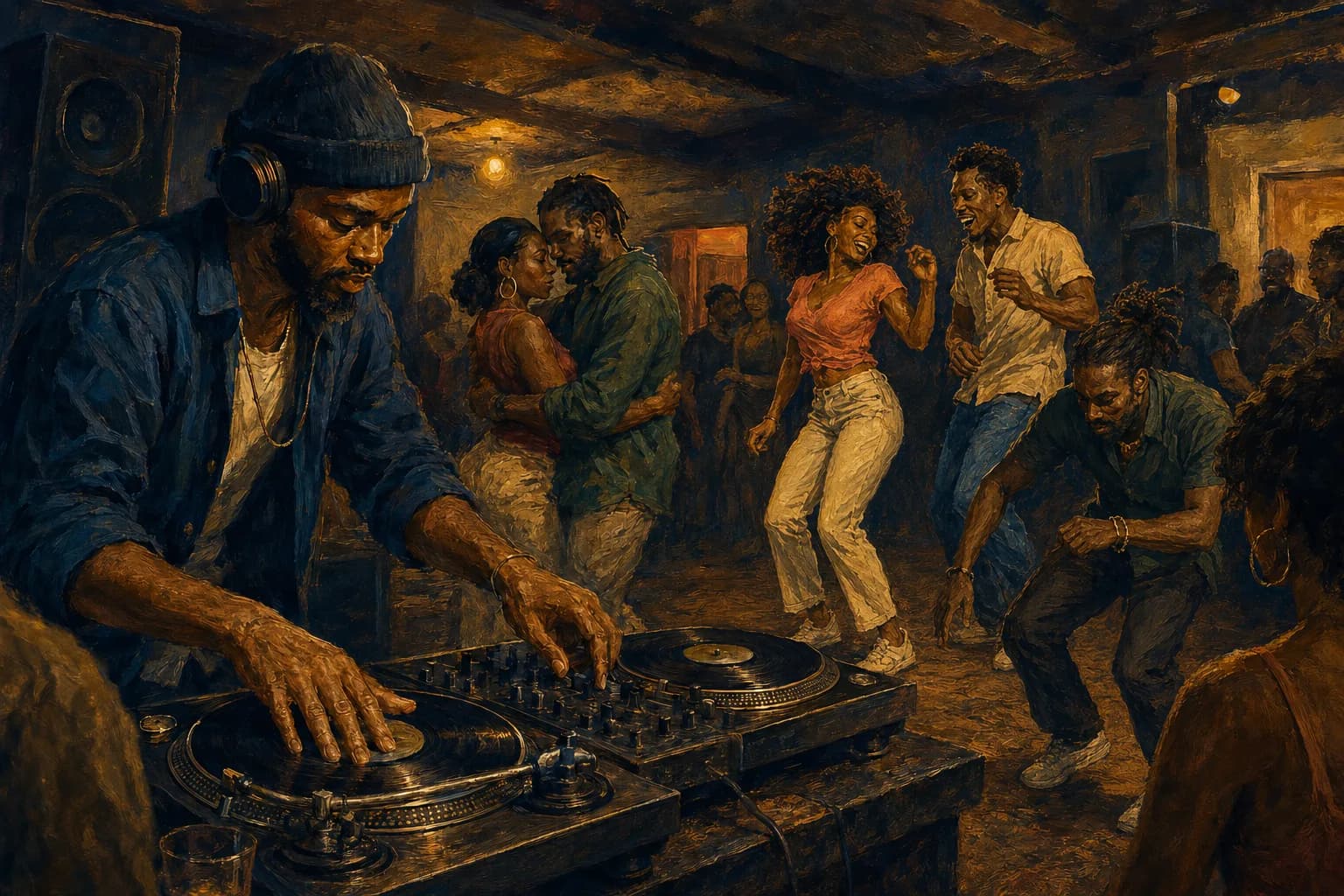
At a composite diaspora party, watch how the floor changes — a hall in north London, a backyard in Queens, somebody's fortieth in Scarborough — and you can see the three genres before you can name them, because the crowd's body changes with each one. The DJ runs a reggae set and the room settles into a low, rolling skank. Not every reggae rhythm uses the one-drop, but the body recognizes a different relationship to bass, pulse and space, couples rubbing slow, elders suddenly twenty again. He switches to dancehall and the floor sharpens. The moves are named and angular; somebody clears space; the energy becomes competitive, responsive to the deejay and alive with call-and-response. Then, near midnight, the first soca horn stab — and the room simply loses its structure: hands go up, waistlines detach from their owners, a conga line threatens, somebody's auntie is on a chair, and the entire hall is jumping in unison as though rehearsed. Three related musical traditions, each containing many styles and eras, can offer markedly different physical invitations, one family of people fluent in all of them.
That fluency is the tell. Reggae, dancehall, and soca are relatives — but they are not the same music, and treating them as one interchangeable "island vibe" misses what each one is actually for.
Reggae: the message carrier
The sound, physically: slow to mid-tempo, built around the one-drop — the drum pattern that leaves beat one empty and lands kick and rim together on the three, creating that signature falling-forward suspension — with the bass carrying the melody's weight and the guitar skanking on the offbeat. Vocals sing more than they chat; harmonies matter; space matters.
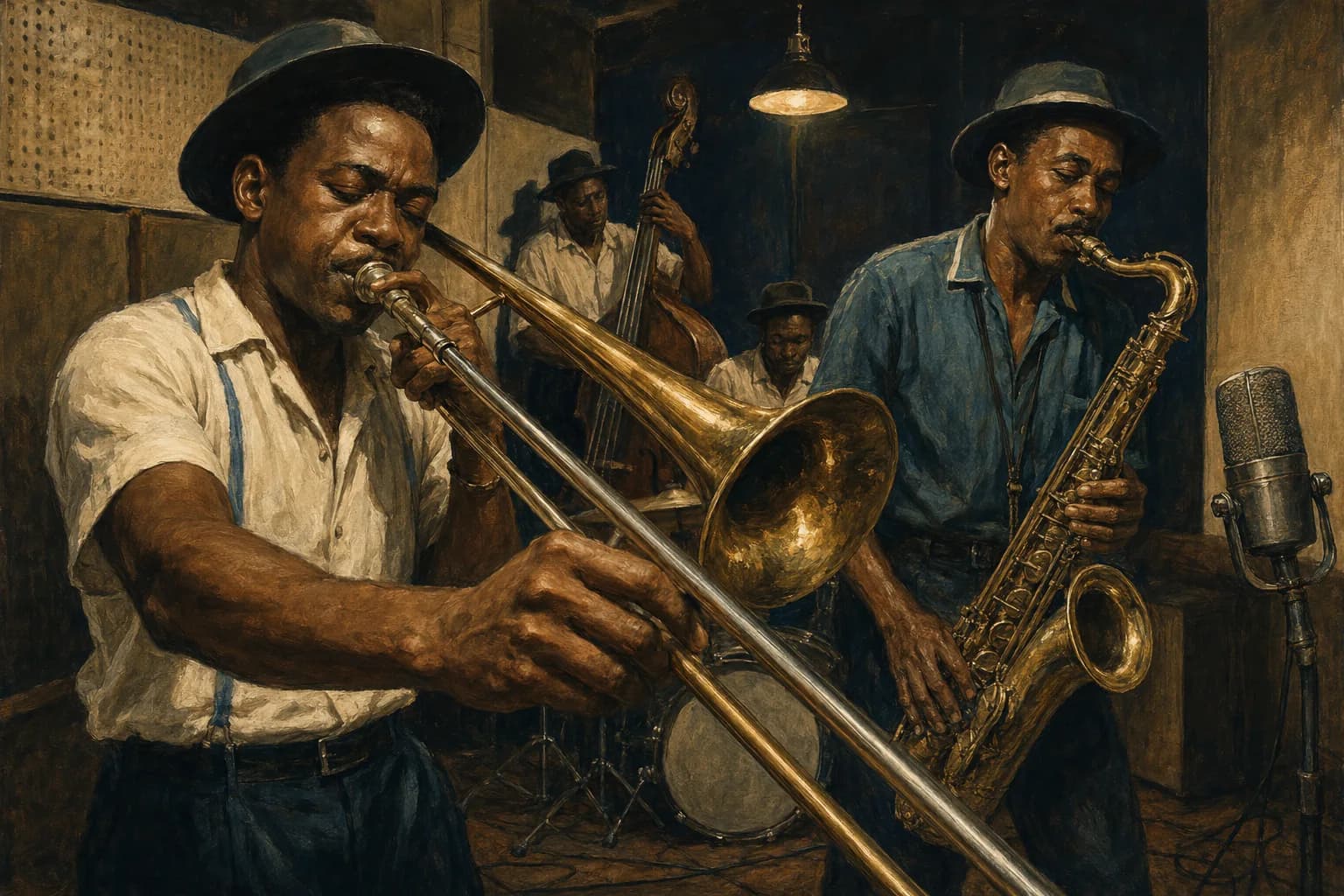
The origin, in two beats: Kingston, late 1960s, evolving out of ska and rocksteady — Toots and the Maytals' "Do the Reggay" (1968) gave it a name — and then fusing with Rastafari consciousness in the 1970s roots era of Bob Marley, Burning Spear, Culture and Dennis Brown.
What it is for: the message. Reggae is the Caribbean's editorial page and its scripture — protest, redemption, Babylon and exodus, love songs with theology in them. It is built for listening as much as dancing, which is why it became the region's chief musical export of ideas and the soundtrack of liberation movements far beyond the Caribbean.
Dancehall: the riddim and the moment
The sound, physically: mid-tempo but aggressive, digital since 1985, drums cracked forward in the mix, basslines that punch rather than roll, and a vocalist who deejays — chatting, riding, attacking the rhythm in patois — over a riddim shared with dozens of competitors. Where reggae breathes, dancehall strikes.
The origin: reggae's own child — born in Kingston's sound system dances of the late 1970s, when the deejays talking over instrumentals became the main event, then transformed by the digital riddims of the mid-80s into its own species.
What it is for: the riddim and the now. Dancehall is street-level journalism, fashion bulletin, dance instruction, and status contest, updated weekly. It answers the moment through new slang, new moves and new feuds with unusual speed, which helps explain why global pop repeatedly borrows from it.
Soca: the road
The sound, physically: fast — groovy soca cruises around 110–120 BPM, power soca charges to 160 and beyond — with galloping drums, horn stabs or synth risers doing the horns' old job, and a vocalist issuing direct commands: jump, wave, follow the truck. The bass doesn't rub or punch; it propels.
The origin: Trinidad, early 1970s, when Ras Shorty I (Lord Shorty) deliberately fused calypso with the Indian rhythmic heritage of Trinidad — "Endless Vibrations" (1974) is the landmark — creating the "soul of calypso." It is calypso's high-energy descendant, engineered for Carnival.
What it is for: the road. Soca is functional music in the noblest sense — designed to move a masquerade band across a stage, to unify twenty thousand strangers behind a music truck, to manufacture collective joy on schedule every Carnival season. Power soca is the adrenaline; groovy soca is the sweetness; both are built for bodies in motion, together.
The connective tissue
The three connect because the Caribbean is one conversation held across water. Trinidad and Jamaica have traded rhythms for a century — calypso and mento intermingled long before any of these genres had names. Producers, selectors and artists cross constantly: Jamaican deejays voice soca riddims for Carnival; Trinidadian artists chat on dancehall beats; Bunji Garlin's whole style carries dancehall's deejay DNA into soca; Byron Lee took Jamaican bands to Trinidad Carnival for decades and carried soca back. The diaspora finishes the job — in Brooklyn, London, and Toronto, the three sounds share one dance floor and one family memory, and second-generation kids inherit all three as a single birthright, which is beautiful, and is also exactly how the mislabeling starts.
The mistake matrix
For the record, the common errors and why they grate. Calling everything "reggae" — soca is not reggae; dancehall is not reggae; a genre is not a region. Calling dancehall "reggae's fast version" — it is a distinct culture with its own forty-year canon, not a tempo setting. Calling soca "Jamaican" — soca is Trinidadian, and telling a Trini otherwise at Carnival is a good way to receive a free history lecture at high volume. Using "island music" or "tropical" as a genre — that is a travel brochure, not a category. And assuming any Caribbean artist does all three — asking a roots reggae singer for a soca set misreads three separate crafts.
Why does it grate? Because each mislabel erases a specific community's authorship. Reggae's meaning was built by Jamaican struggle and faith; dancehall's edge by Kingston's dances and streets; soca's joy by Trinidad's Carnival and its particular Afro-Indian creole genius. Blur the labels and you blur the credit.
Precision is respect
None of this is pedantry, and none of it forbids the blend — the blend is the point of the diaspora party, and the region itself blends more shamelessly than any outsider ever could. The distinction matters for the same reason it matters that champagne comes from Champagne: names carry histories, and histories have owners. Learn which body the music wants from you — the skank, the sharp wine of the dancehall, the jump-and-wave — and which island taught it. Then enjoy all three in one night, correctly labeled, the way the aunties on the dance floor have been doing all along. Their feet often register the distinctions before a newcomer's ear does. Watch closely.
Editorial note
LuxTuris original
This is evergreen editorial context from the LuxTuris desk, not live breaking news or invented social proof.